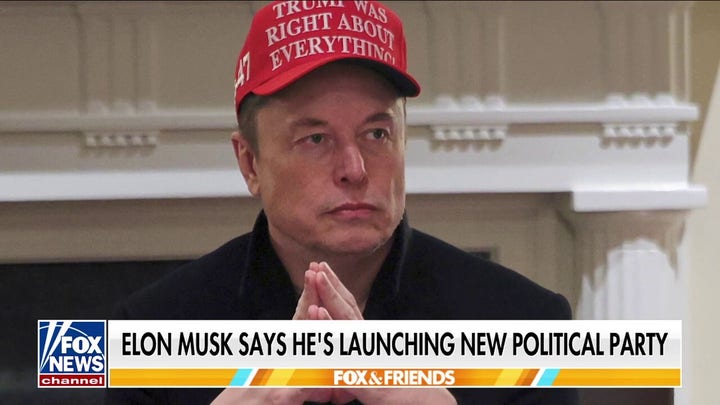
Let’s talk about language. Because in politics, language isn’t just what you say — it’s what people hear. And if there’s one thing I’ve learned from decades of helping brands and campaigns get their words right, it’s this: the wrong message can kill even the best idea. Tesla CEO Elon Musk’s America Party is a case study in how not to build trust through language.
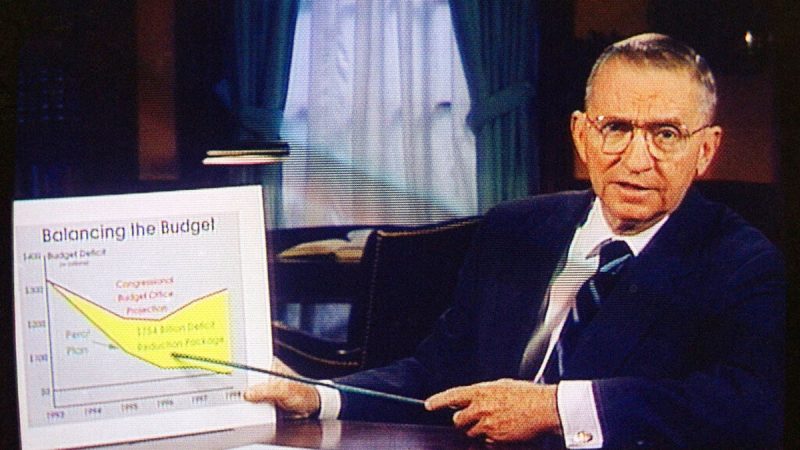
I’ve seen this movie before. I started my career on Ross Perot’s campaign, where we learned firsthand how the right words can electrify a movement — and how quickly the wrong ones can turn hope into skepticism. Perot’s success was based on his ability to connect with voters using language that was clear, relatable and believable. He spent a lot of time talking about a broken system, but he did so in a way that made people believe change was possible.
Musk, on the other hand, is using the language of disruption without understanding the language of trust. And that’s why his America Party is likely to be just another blip in the long history of failed third-party efforts.
The language of disruption vs. the language of trust
Let’s break down Musk’s messaging. He says it’s ‘time for a new political party that actually cares about the people.’ He talks about ‘reducing government spending,’ dismantling regulatory bloat, and embracing AI-driven modernization. These are buzzwords, not beliefs. They’re designed to provoke, not persuade.
Here’s the problem: Americans are already drowning in distrust. They don’t believe politicians. They don’t believe in institutions. And they certainly don’t believe that this billionaire with a Twitter habit is suddenly going to care about the people. Musk’s words are meant to sound populist, but they just sound AI-generated.
Slogans can help build trust but trust cannot be built on slogans alone. It’s built on language that resonates, connects to people’s real concerns and is grounded in actions that create credibility. Perot was also a billionaire, but he understood how to speak the language of the average person and make it feel real.
Musk, by contrast, is speaking at people, not to them.
The pitfalls of start-up populism
Musk’s messaging is heavy on tech jargon and light on empathy. AI-driven modernization might excite Silicon Valley, but it’s a scary prospect for many voters increasingly worried about their job, their healthcare or their kids’ future.
Start-up language is sexy … if you’re a venture capitalist. But Musk doesn’t understand that most Americans don’t speak the language of technology.
Perot was also a tech entrepreneur, but he left talk of mainframes out of his campaign. His version of reducing regulatory bloat was much simpler: ‘if you see a snake, just kill it — don’t appoint a committee on snakes.’
I care for you. You’re fired
We once had a client who wanted to test a campaign designed to show how much they cared about their customers. The slogan: ‘We care.’ As we expected, it bombed in testing. The company’s actions did not support the message. The same is true for Musk. Musk says he wants a party that ‘actually cares about the people.’ But the language he uses doesn’t show care — it shows calculation. It’s the language of someone who wants to be seen as a disruptor, not someone who wants to build trust.
Words like ‘disruption,’ ‘modernization,’ and ‘efficiency’ are the language of business (and often of layoffs), not the language of belonging. They don’t answer the fundamental question every voter is asking: ‘Do you understand me? Do you care about what I care about?’ If you can’t answer that in your messaging, you’ve already lost.
The bottom line: Words matter more than ever
It’s unclear if Musk is really serious about building something new or just tearing down something Trump. But if he wants to build a movement, he needs to do more than talk about what’s wrong. That’s the easy part.
Perot also said the system was broken. But he made the problem understandable and he made a solution seem achievable. He made the deficit real. He made government waste personal. He made it feel like we could all roll up our sleeves and fix it. Ultimately, he had his own issues, but at the peak of his campaign, 39% of the population said they planned to vote for him.
So much has changed since 1992, but building a third party in America remains one of the hardest jobs in politics. The only way to even start to make it work is to find language that creates hope, engenders optimism and illuminates a path to overcoming challenges that a significant plurality of Americans care about.
Ironically, in the same poll that showed Perot leading the race, 65% of the public said they would be less likely to vote for a candidate who ‘made a fortune doing business with the federal government.’ So maybe less has changed than we think.
